The Quiet Path to Uji: Tea Philosophy and Living Rituals
Beyond Kyoto's crowded shrines lies the river valley of Uji, where shade-grown leaves are harvested with monastic discipline.
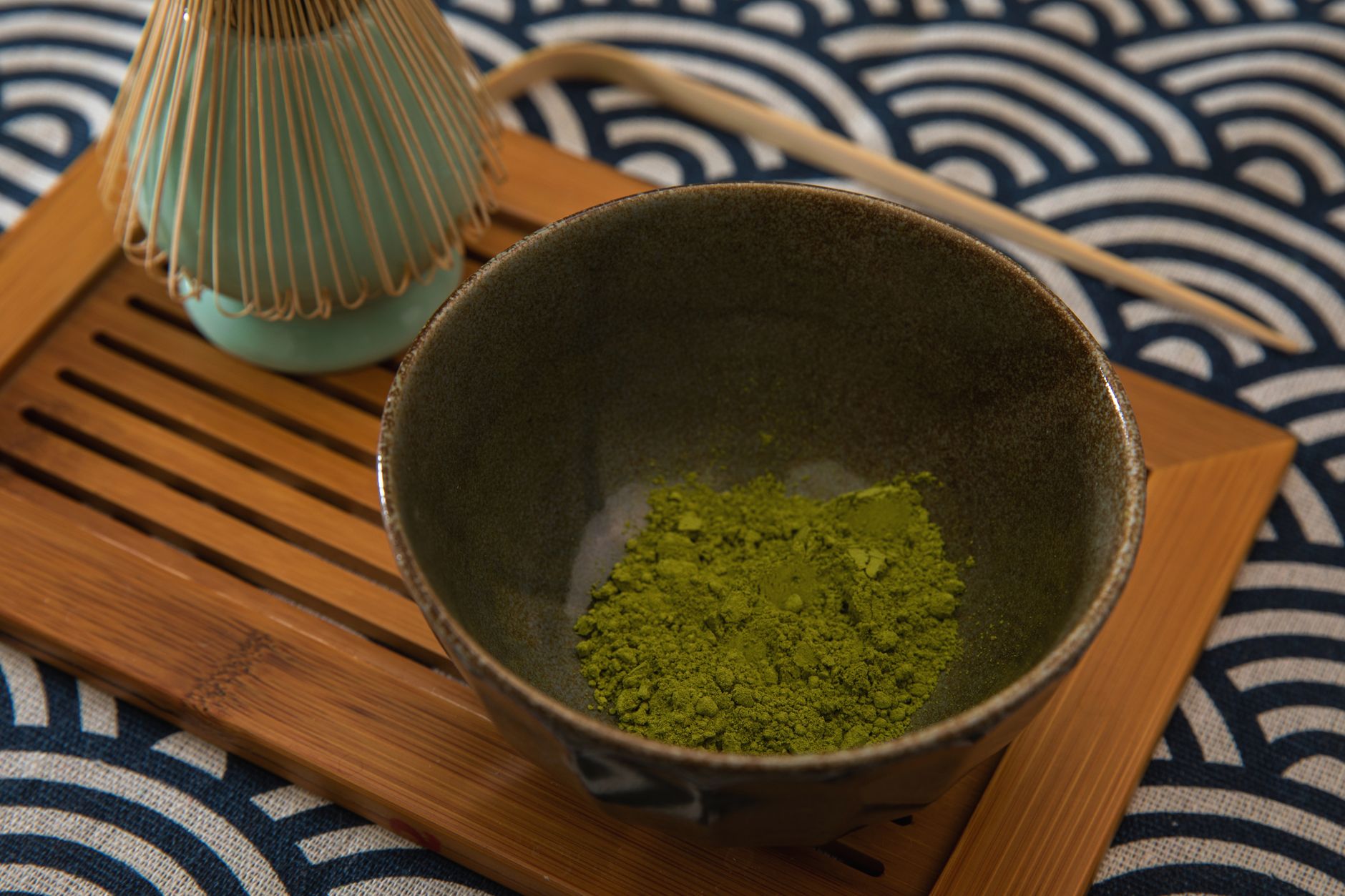
To step into an Uji tea room is to enter a dimension where time is measured not by ticks of a clock, but by the water vapor rising from an iron kettle. Here, Sen no Rikyū's teachings on harmony, respect, purity, and tranquility remain practical guidelines rather than museum artifacts.
1. The Architecture of Diminutive Entrances
The traditional crawl-in doorway (*nijiriguchi*) demands that all guests, regardless of worldly rank or social standing, bow low and discard outward pretension before taking their place on tatami mats. Inside, the decorative elements are minimal: a single seasonal branch in an unglazed ceramic vase and a hanging calligraphy scroll selected for the guest of the hour.
"In the small space of a tearoom, one discovers that subtraction is the most profound form of architectural wealth."
2. The Terroir of Tencha
Walking the terraced hills of Wazuka in the morning humidity, one sees rows of green tea bushes covered with black woven screens weeks prior to harvest. This shading restricts photosynthesis, forcing the plant to draw nutrients inward and produce rich amounts of amino acids, yielding the coveted savory umami flavor distinctive to exceptional matcha.
Contemplative Etiquette
- Attire: Wear clean white socks without patterns; avoid synthetic fragrances that intrude upon delicate incense notes.
- Timing: Morning visits before midday heat ensure serene interactions with garden caretakers.
- Presence: Put mobile devices on silent mode to honor the acoustic quiet of stone pathways.